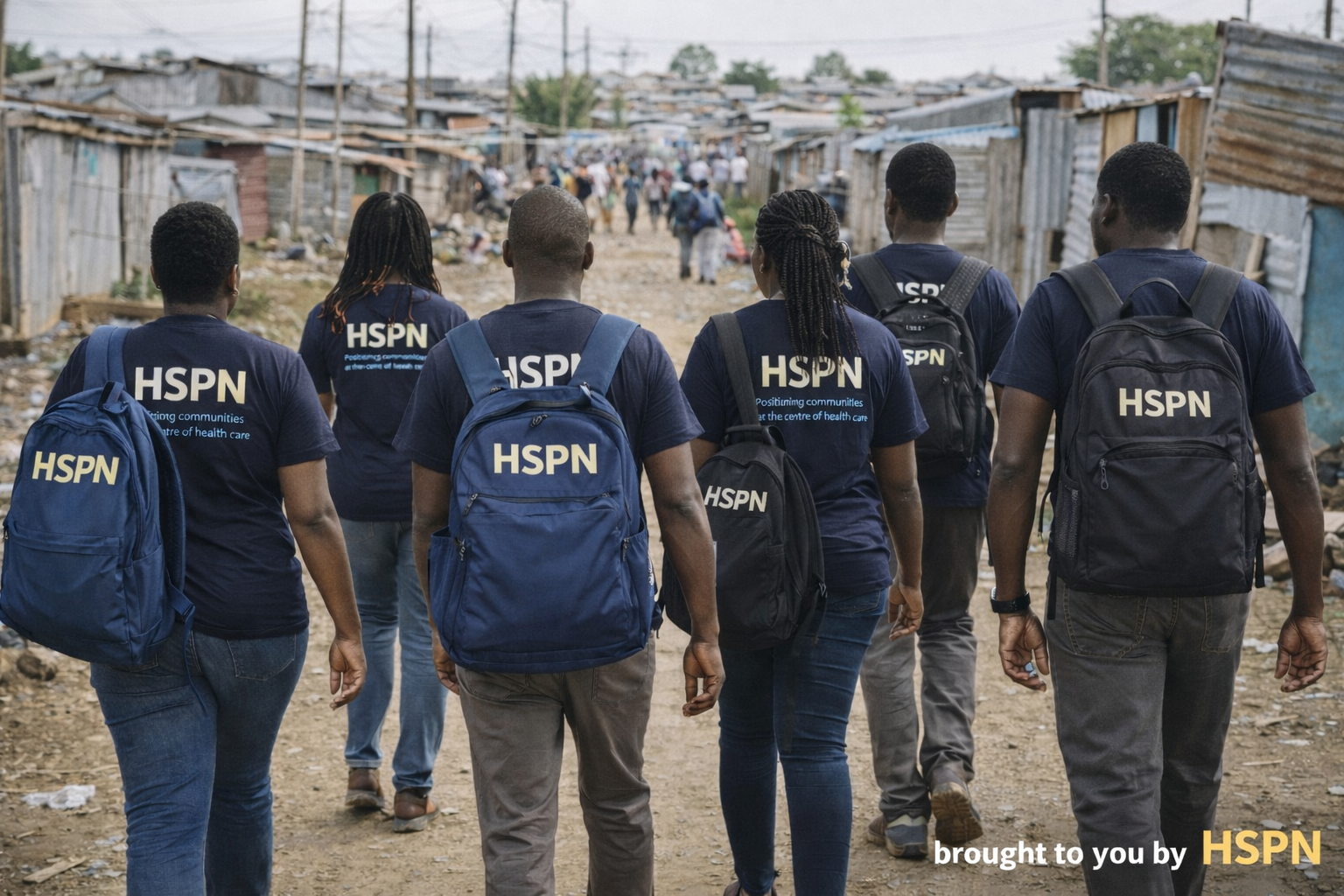
HSPN at the Centre: Sustaining HIV Treatment Investments in South Africa
South Africa has made one of the most significant global investments in HIV treatment, building the largest antiretroviral therapy (ART) programme in the world. These investments have saved millions of lives, strengthened public health systems, and demonstrated what is possible when political commitment, funding, and science align. Yet sustaining these gains remains a growing challenge. Funding constraints, health system pressures, workforce shortages, and persistent social barriers threaten long-term outcomes. As the HIV response evolves, one question becomes increasingly clear: How do we protect and sustain what has already been achieved? The answer lies in placing communities at the centre of the HIV response.
Why Sustainability Depends on Communities
HIV treatment does not exist only within clinics or policy frameworks. It is lived daily in households, informal settlements, workplaces, and social networks. When communities are marginal to the response, investments struggle to translate into lasting outcomes. When communities are central, those same investments are amplified, protected, and sustained. Community-centred approaches strengthen sustainability in several critical ways.
HSPN Strengthen Retention in Care
Loss to follow-up remains one of the most significant threats to treatment outcomes. Missed appointments and treatment interruptions are rarely driven by lack of clinical knowledge alone. They are shaped by stigma, transport costs, unstable livelihoods, food insecurity, and competing life pressures. Community-based support, through peer navigators, community health workers, adherence clubs, and local networks, helps identify disengagement early and respond in realistic, humane ways. This prevents treatment interruptions before they become clinical failures, protecting both individual health and system investments.
Trust Makes Treatment Work
Trust is foundational to effective HIV care, yet it cannot be manufactured through policy alone. Communities play a central role in building trust between health systems and the people they serve. When treatment messages, follow-up, and support are delivered by trusted community members, services feel less punitive and more supportive. This trust improves uptake, adherence, disclosure, and long-term