Advancing Cancer Prevention for WLHIV through Awareness and Advocating for Access to Diagnostics
Cervical Cancer Prevention and Diagnostics for Women Living with HIV
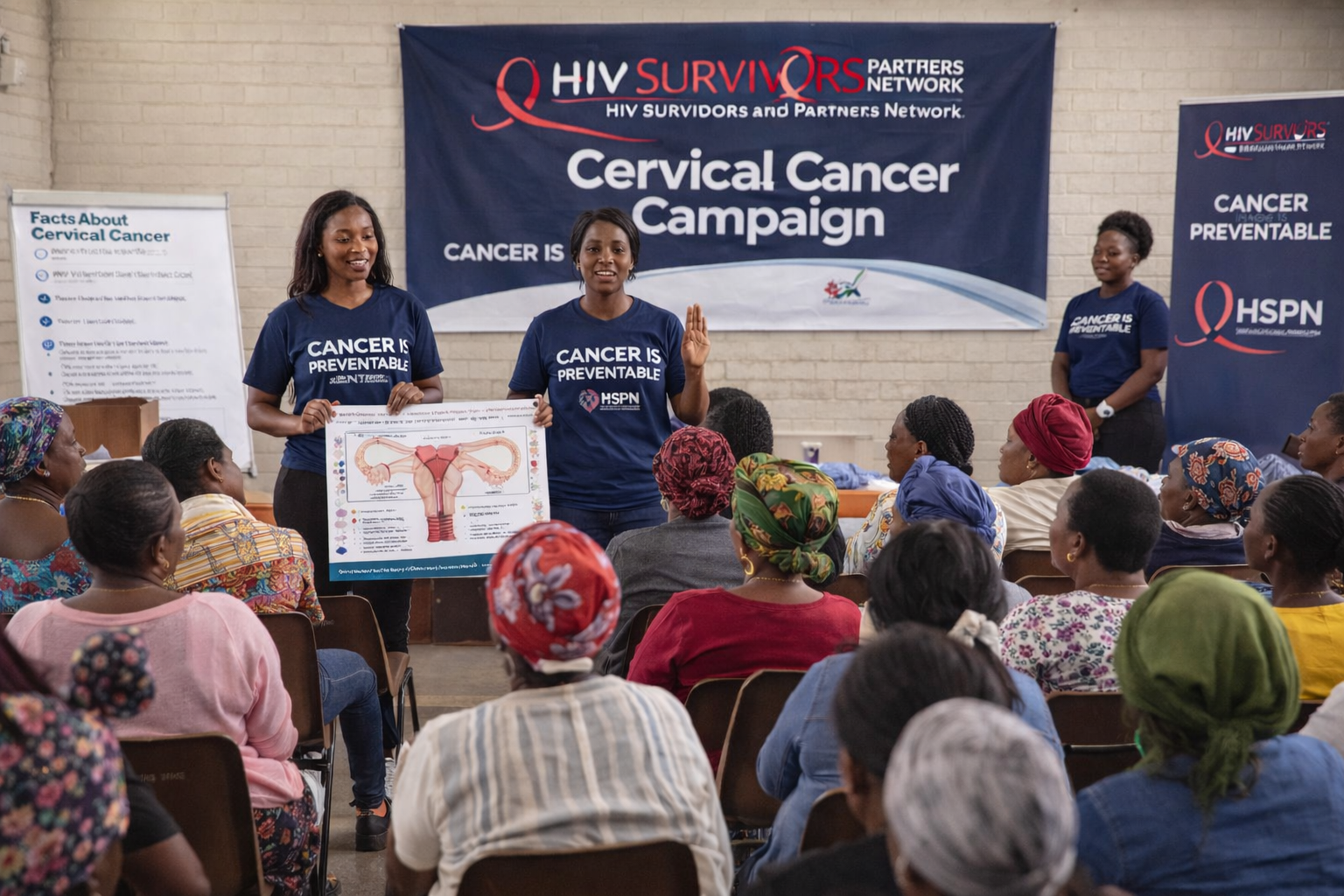
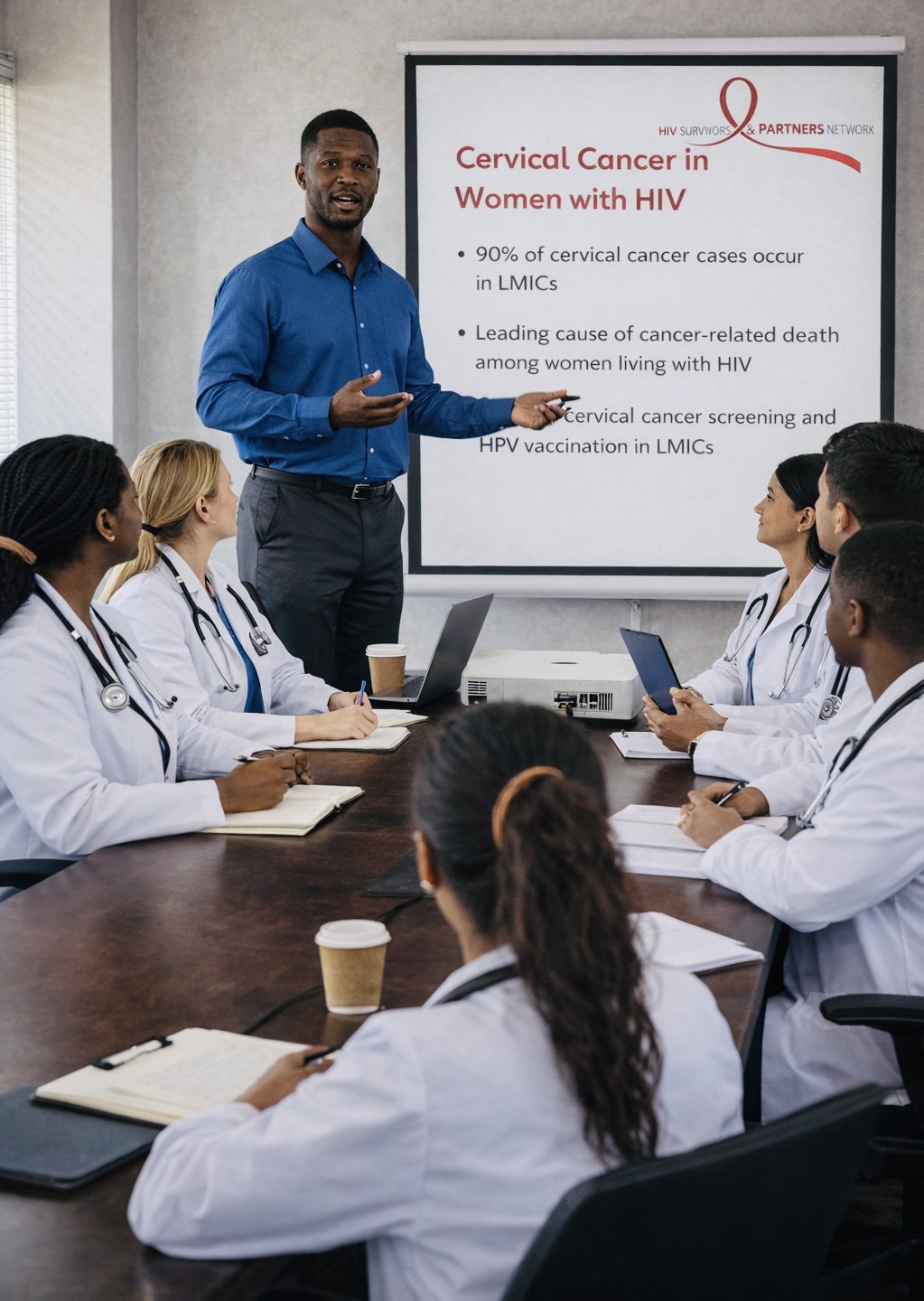
Cervical cancer is a preventable yet highly unequal disease burden, disproportionately affecting women living with HIV (WLHIV), who are up to six times more likely to develop the disease due to persistent HPV infection. Despite clear global guidance and available tools, including HPV vaccination, screening, and early treatment, gaps in access, awareness, and service integration continue to drive preventable morbidity and mortality, particularly in low- and middle-income settings. To address these inequities, there is an urgent need to scale access to point-of-care diagnostics, strengthen integration within HIV services, and prioritise WLHIV in national cancer prevention strategies. However, expanding services alone is insufficient without meaningful investment in literacy, demand creation, and system readiness.
Cervical screening and treatment of precancers
Women should be screened for cervical cancer with a high-performance test every 5–10 years starting at age 30. The global strategy encourages at least two lifetime screens, with a high-performance test by age 35 and again by age 45. Precancers rarely cause symptoms, which is why regular cervical cancer screening is important, even if you have been vaccinated against HPV. Self-collection of a sample for HPV testing, which may be a preferred choice for women, has been shown to be as reliable as samples collected by healthcare providers. After a positive screen, a health-care provider can look for changes on the cervix (such as precancers) that may develop into cervical cancer if left untreated. Treatment of precancers is a simple and effective procedure to prevent cervical cancer. Treatment may be offered in the same visit for screening (the screen-and-treat approach) or after a second test (the screen, triage, and treat approach), which is especially recommended for women living with HIV. Treatment of precancerous lesions is usually quick and may involve limited discomfort compared to other medical procedures.
Prevention
Boosting public awareness, strengthening health literacy, and improving access to information and services are key to prevention and control across the life course:
- HPV vaccination for girls 9–14 years is highly effective at preventing infection, cervical cancer and other HPV-related cancers.
- Cervical screening from the age of 30 (25 years in women living with HIV) can detect cervical precancer, and when coupled with timely treatment, can prevent progression to cervical cancer.
- At any age, early detection of women with symptoms, followed by prompt quality treatment, can cure cervical cancer.
Call to Action: Scaling cervical cancer prevention for WLHIV requires a dual approach:
- Expanding equitable access to diagnostics and vaccination, and
- Investing in people-centred sensitisation strategies that empower communities and strengthen health system responsiveness
Without this, the full benefits of prevention technologies will remain underutilised, and preventable deaths will continue.
For cancer counselling services, please contact us @ programs@hivspn.org or https://cansa.org.za/cervical-cancer/