Equitable Access to HIV Services for Children- Opinion Piece
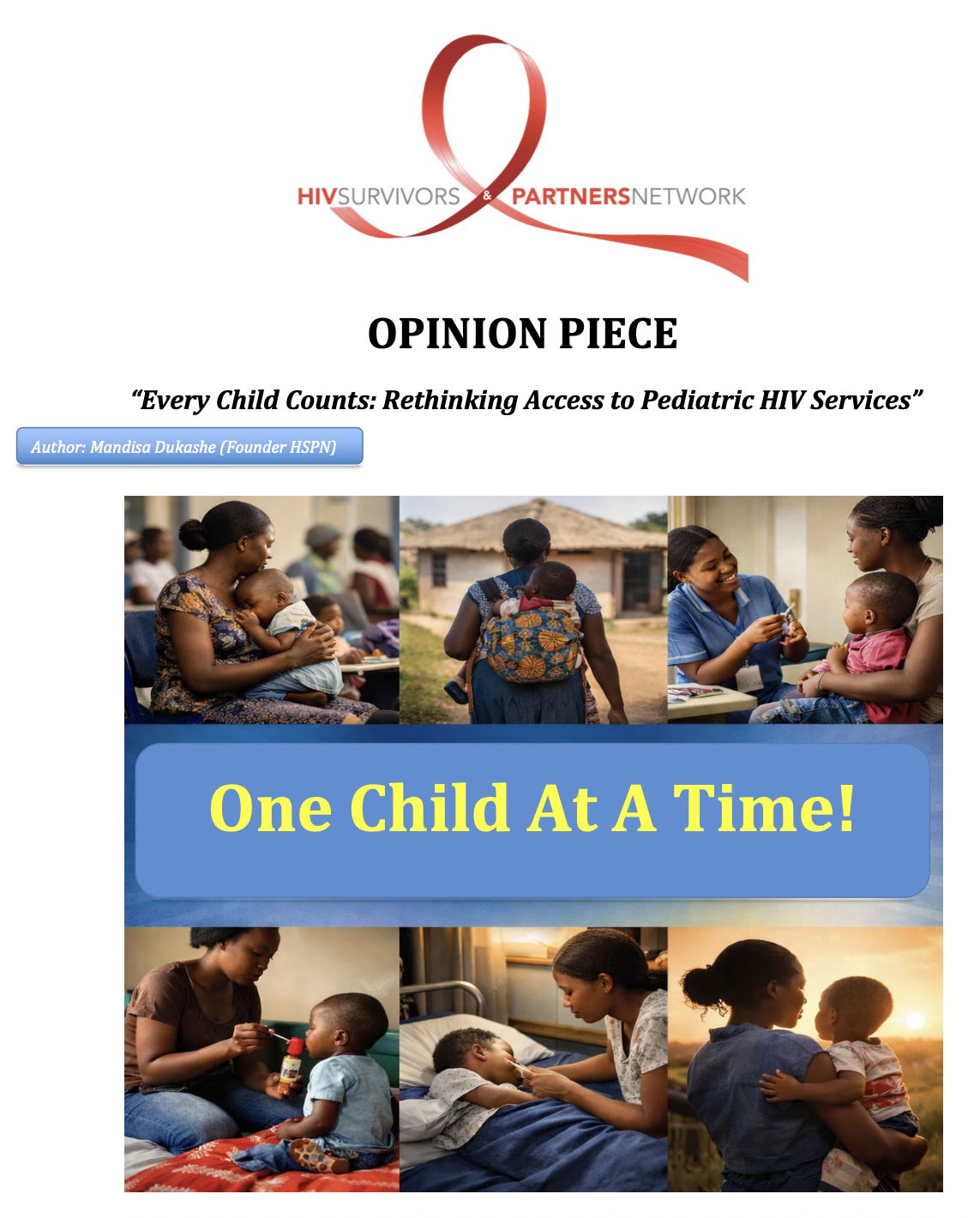
Despite significant progress in the global HIV response, children continue to be left behind. Across sub-Saharan Africa, thousands of children are still living with HIV, many undiagnosed, untreated, or not retained in care. This gap reflects persistent challenges in early diagnosis, access to treatment, and continuity of care. Early infant diagnosis and timely initiation of antiretroviral therapy (ART) are critical to saving lives. Without treatment, HIV progresses rapidly in children, with the highest risk of mortality in the first years of life. Yet, delays in testing, limited access to point-of-care diagnostics, and health system barriers continue to prevent children from receiving the care they need.
Reducing the burden of HIV in children requires a multi-level, integrated approach:
- Strengthening prevention of mother-to-child transmission (PMTCT) across pregnancy, birth, and breastfeeding
- Expanding access to early infant diagnosis and same-day treatment initiation
- Ensuring availability of child-friendly HIV treatment formulations
- Improving retention in care for both children and caregivers
- Addressing stigma, misinformation, and barriers to accessing services
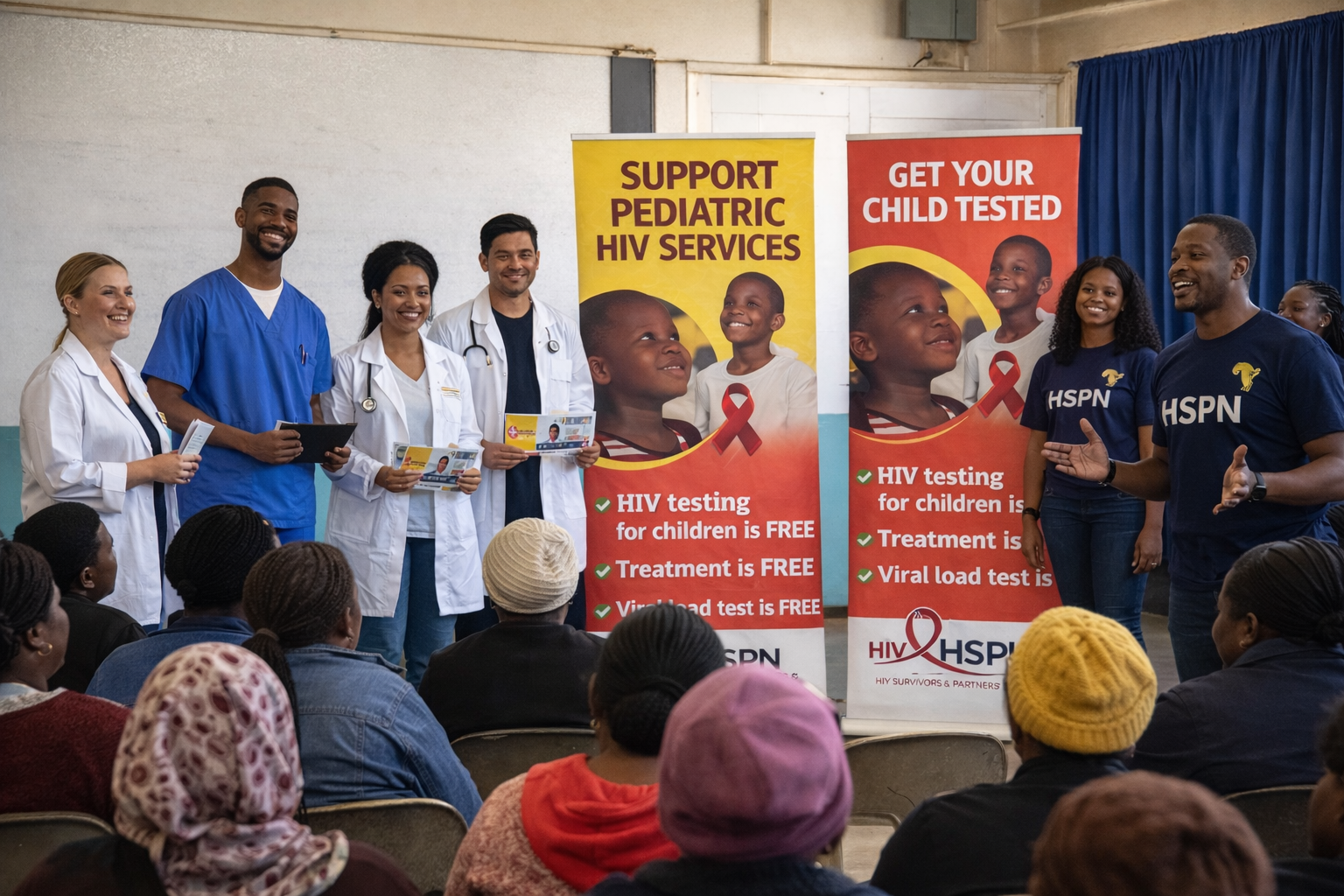
At the community level, awareness, education, and caregiver support play a vital role in ensuring children are tested early and remain in care. Community-led initiatives are essential in driving demand, improving accountability, and closing service gaps. Ending paediatric HIV is not only possible, but it is also urgent. By prioritising children in HIV prevention and treatment efforts, strengthening health systems, and empowering communities, we can ensure that no child is left behind. The detailed opinion piece can be accessed here: https://files.cdn-files-a.com/uploads/1152848/normal_69cab2758b01c.pdf or click far below